Introduction
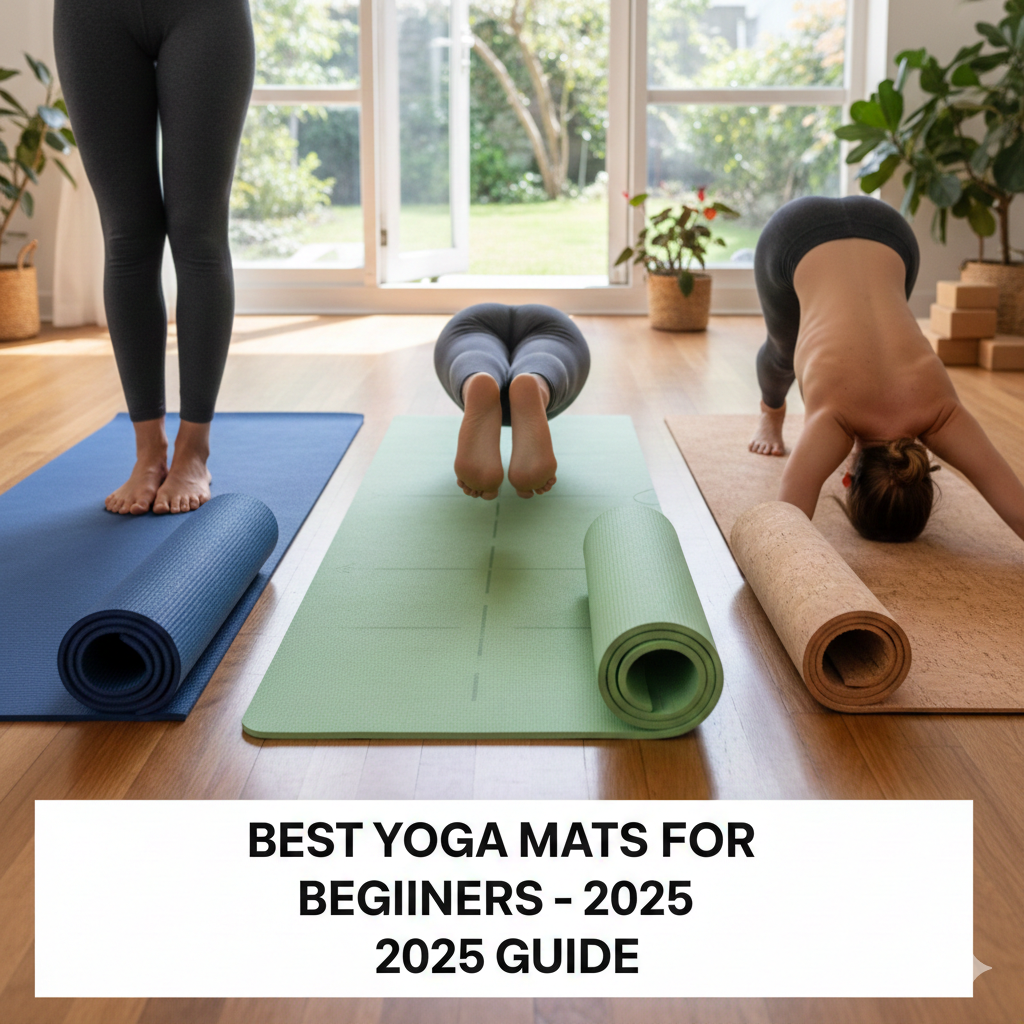
A good yoga mat is essential for beginners to ensure stability, comfort, and safety during practice. With hundreds of options available in 2025, selecting the right yoga mat can be challenging.
This guide reviews the best yoga mats for beginners, highlighting features like thickness, grip, durability, and portability. We provide pros and cons, tips for care and usage, and YouTube demonstrations for proper alignment and exercises. Whether your goal is to improve flexibility, balance, or relaxation, this article equips beginners with the knowledge to select a mat that enhances their yoga practice, supports proper posture, and ensures comfort throughout every session.
Why Choosing the Right Yoga Mat Matters
Provides cushioning and joint support
Prevents slipping during poses
Enhances balance and posture
Durable for long-term use
Portable for home, gym, or outdoor practice

Key Features to Consider
Thickness and cushioning (3–6 mm ideal for beginners)
Non-slip surface for safety
Material: PVC, TPE, or natural rubber
Weight and portability
Easy to clean and maintain
Top Yoga Mats for Beginners
1. Liforme Yoga Mat
Pros: Excellent grip, eco-friendly material
Cons: Expensive
2. Manduka PRO Yoga Mat
Pros: Highly durable, dense cushioning
Cons: Heavy and less portable
3. Gaiam Essentials Thick Yoga Mat
Pros: Affordable, thick and comfortable
Cons: Shorter lifespan than premium mats
4. Jade Yoga Harmony Mat
Pros: Natural rubber, great traction
Cons: Slightly sticky texture at first
“https://www.youtube.com/embed/best_yoga_mat_demo”
Tip: Include videos showing mat thickness, grip, and yoga pose demonstrations for beginners.
How to Choose the Right Yoga Mat
Consider practice type: gentle yoga vs. hot yoga
Test for grip and stability
Choose appropriate thickness for joint support
Consider material and eco-friendliness
Evaluate weight and portability for travel

Common Mistakes Beginners Make
Mistake 1: Choosing Too Thin or Hard Mat
Fix: Use 3–6 mm thickness for joint protection
Mistake 2: Ignoring Slip Resistance
Fix: Look for mats with textured or non-slip surface
Mistake 3: Buying Without Testing Size
Fix: Ensure mat length and width accommodate your height and poses
Mistake 4: Skipping Mat Maintenance
Fix: Clean regularly to avoid odor and bacteria
Real-World Example (Mini Case Study)
Sophia, 25 (Yoga Beginner):
Sophia chose Liforme Yoga Mat:
Enjoyed excellent grip and comfort
Practiced at home and studio without slipping
Maintained consistency due to mat convenience
Frequently Asked Questions
Q1: How thick should a beginner yoga mat be?
3–6 mm provides sufficient cushioning and support.
Q2: Are expensive mats worth it for beginners?
Yes, for durability and superior grip, but mid-range mats are also effective.
Q3: Can I use a yoga mat for other exercises?
Yes, suitable for stretching, Pilates, and bodyweight workouts.
Q4: How do I clean a yoga mat?
Wipe with mild soap and water or use a yoga mat cleaner; air dry.
Q5: Should I choose eco-friendly materials?
Eco-friendly mats are non-toxic, durable, and sustainable.
Internal & External Links
Internal Links
https://fitquza.com/wp/2026/01/10/best-fitness-trackers-for-beginners-2025-top-picks/Beginner Yoga for Recovery</a
Best Adjustable Dumbbells for Beginners
Conclusion
Choosing the best yoga mat for beginners ensures stability, comfort, and safety during practice. By evaluating thickness, grip, material, and portability, beginners can enjoy a consistent and effective yoga routine, improve flexibility, and enhance overall wellness.