
Introduction
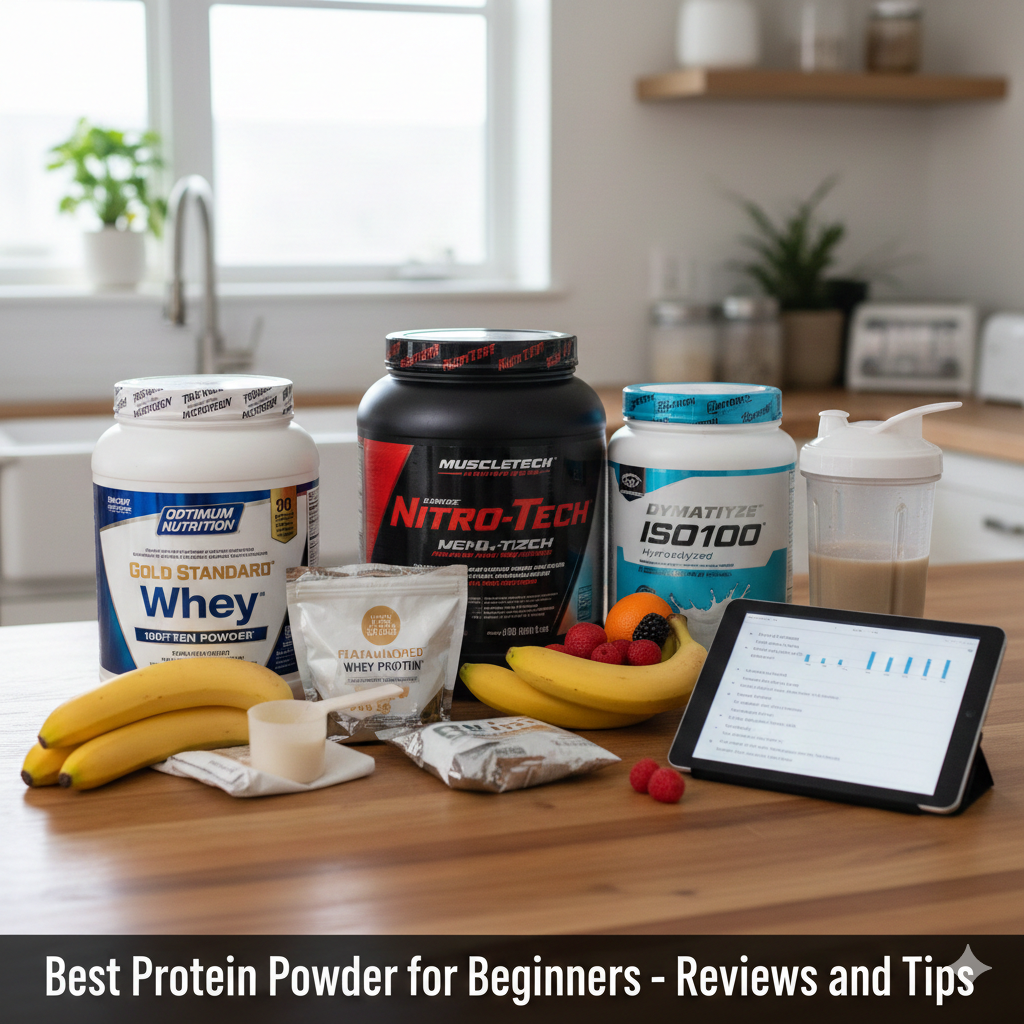
Best Protein Powder for Beginners – Reviews and Tips. Starting a fitness or muscle-building journey can be exciting, but choosing the right protein powder can be confusing for beginners. With countless brands, flavors, and types available in 2025, it’s important to know which options are effective, safe, and easy to digest.
This guide reviews the best protein powders for beginners, comparing whey, plant-based, and blended options. It covers taste, mixability, digestibility, and price points to help you make an informed choice. Whether your goal is muscle growth, weight management, or post-workout recovery, this article provides practical tips, common mistakes to avoid, and YouTube demos so beginners can start supplementing safely and effectively.
Why Protein Powder Matters for Beginners
Supports muscle growth and repair
Convenient source of protein for busy lifestyles
Helps meet daily protein requirements
Aids recovery post-workout
Can complement diet without adding excessive calories

Whey vs. Plant-Based Protein
Whey: Fast absorption, high bioavailability
Plant-Based: Lactose-free, vegan-friendly, slower absorption
Blended: Balanced nutrients, suitable for all
Top Protein Powders for Beginners
1. Optimum Nutrition Gold Standard Whey
Type: Whey
Pros: Excellent taste, fast absorption, high protein per serving
Cons: Contains dairy, may not suit lactose-intolerant users
2. Orgain Organic Plant-Based Protein
Type: Plant-based
Pros: Vegan, low sugar, good mixability
Cons: Slightly earthy taste

3. Dymatize ISO100
Type: Whey isolate
Pros: Fast digesting, low carb and fat
Cons: Pricier than standard whey
4. Vega One All-in-One Shake
Type: Plant-based
Pros: Nutrient-dense, includes vitamins and minerals
Cons: Higher calories than single-source powders
“https://www.youtube.com/embed/M2r1pLXTtE4”
Tip: Include videos showing taste test, mixability, and nutritional comparisons.
How to Choose the Right Protein Powder
Match protein type with dietary preferences (whey, plant, blended)
Check protein per serving (15–30g ideal for beginners)
Evaluate digestibility and lactose content
Consider taste and mixability
Factor in price and brand reputation
Common Mistakes Beginners Make
Mistake 1: Relying Solely on Supplements
Fix: Combine with a balanced diet
Mistake 2: Choosing High Sugar Flavors
Fix: Read labels for added sugar content
Mistake 3: Not Timing Intake Properly
Fix: Consume post-workout or between meals as needed
Mistake 4: Ignoring Allergies
Fix: Check ingredients for lactose, soy, or gluten
Real-World Example (Mini Case Study)
Alex, 22 (Beginner Weightlifter):
Alex tried several powders before settling on Optimum Nutrition Whey:
Improved post-workout recovery
Experienced fewer digestive issues
Enjoyed the taste, making daily intake easier
Frequently Asked Questions
Q1: How much protein should a beginner consume?
About 0.8–1g per pound of bodyweight daily is typical.
Q2: Are plant-based proteins as effective as whey?
Yes, if consumed in sufficient amounts and combined for complete amino acids.
Q3: Can protein powder cause weight gain?
Only if it adds excess calories beyond your daily needs.
Q4: Should beginners take protein before or after workouts?
Post-workout consumption is ideal for recovery.
Q5: How many servings per day?
1–2 servings are usually sufficient for beginners.
Internal & External Links
Internal Links
Pre-Workout Supplements Guide
Best Protein Snacks
External Authority References
Harvard Health – Protein for muscle growth
Mayo Clinic – Protein intake recommendations
Conclusion
Selecting the best protein powder for beginners doesn’t need to be complicated. By considering protein type, digestibility, taste, and price, you can safely supplement your diet and support muscle growth. With consistent use and proper diet, beginners can maximize recovery, improve performance, and enjoy a smoother fitness journey.
