INTRODUCTION
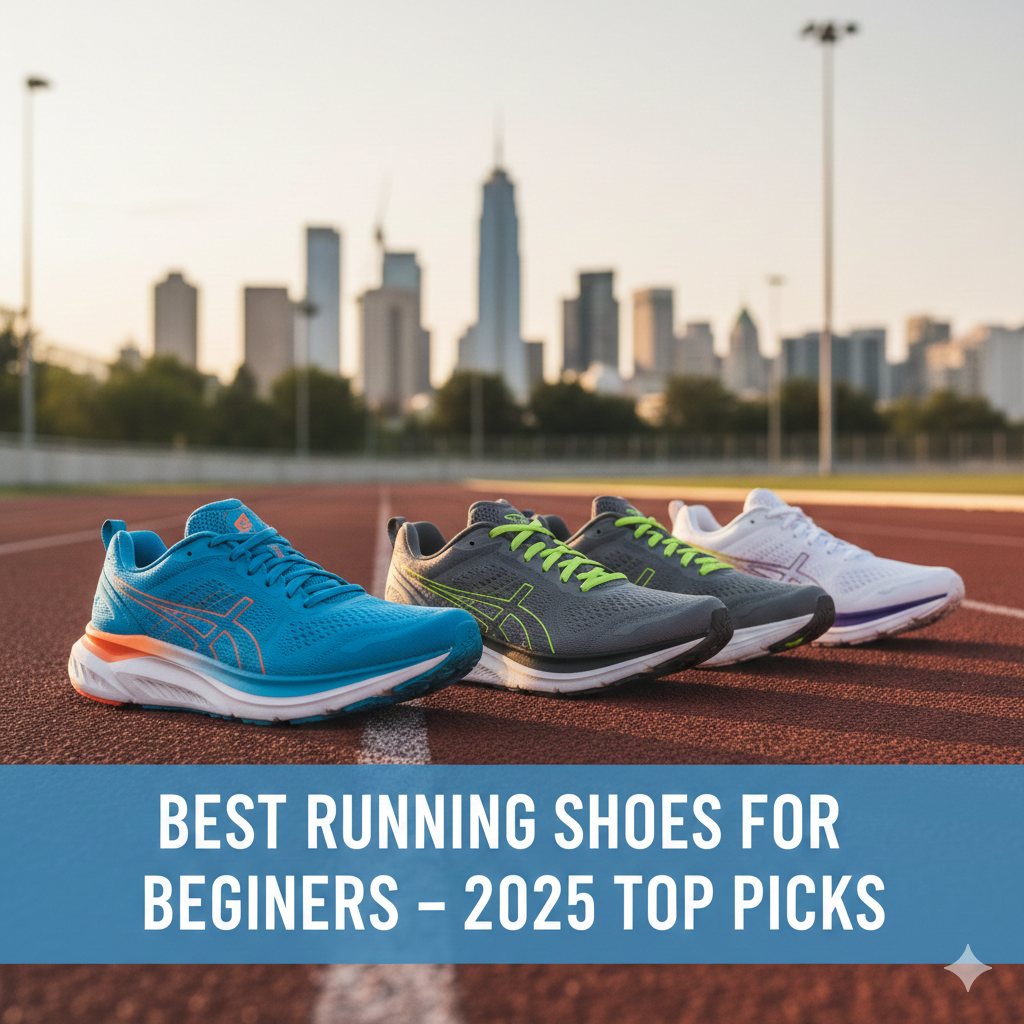
Best Running Shoes for Beginners – 2025 Top Picks. Choosing the right running shoes is essential for beginners to prevent injuries, improve comfort, and boost performance. With hundreds of models available in 2025, selecting the perfect pair can be overwhelming.
This guide reviews the best running shoes for beginners, covering cushioning, support, durability, and style. It includes pros and cons for each option, real-world usage tips, and YouTube demonstrations for proper shoe fitting and gait analysis. Whether your goal is casual jogging, weight loss, or preparing for your first 5K, this article equips beginners with the knowledge to make informed choices, maximize comfort, and avoid common mistakes that lead to pain or injury.
Why Proper Running Shoes Matter
Reduce risk of foot, knee, and hip injuries
Enhance comfort and performance
Support proper gait and posture
Improve endurance and training consistency

Key Features to Look For
Cushioning and shock absorption
Arch support for pronation type
Breathable and durable materials
Weight and flexibility
Top Running Shoes for Beginners
1. Nike Air Zoom Pegasus 42
Pros: Lightweight, cushioned, versatile
Cons: Slightly narrow fit for wide feet
2. Brooks Ghost 15
Pros: Excellent cushioning, stable ride
Cons: Higher price point
3. ASICS Gel-Nimbus 26
Pros: Superior shock absorption, durable
Cons: Slightly heavier than competitors
4. New Balance Fresh Foam 1080v12
Pros: Comfortable, supportive for long runs
Cons: Limited color options
“https://www.youtube.com/embed/1D3h3JWfFX0”
Tip: Include videos showing shoe fit, gait analysis, and comfort testing for beginners.
How to Choose the Right Running Shoes
Measure feet regularly and consider width
Identify pronation type (neutral, overpronation, underpronation)
Test shoes on treadmill or short run before purchase
Consider purpose: road, trail, treadmill
Replace shoes every 300–500 miles

Common Mistakes Beginners Make
Mistake 1: Buying Too Small or Narrow
Fix ;Always measure and try shoes on
Mistake 2: Ignoring Cushioning Needs
Fix: Select shoes based on weight, running style, and terrain
Mistake 3: Skipping Gait Analysis
Fix: Get professional assessment or video analysis
Mistake 4: Keeping Old Shoes Too Long
Fix: Replace worn-out shoes to prevent injuries
Real-World Example (Mini Case Study)
Emma, 26 (Beginner Runner):
Emma switched from flat casual shoes to Brooks Ghost 15:
Reduced knee pain
Improved comfort on 3-mile runs
Felt more confident and motivated to train
Frequently Asked Questions
Q1: How often should beginners replace running shoes?
Every 300–500 miles or 6–12 months depending on usage.
Q2: Are expensive shoes always better?
Not necessarily; comfort, fit, and support matter more than price.
Q3: Can beginners run in cross-training shoes?
Occasionally, but specialized running shoes are recommended for consistent running.
Q4: Should I wear socks with my running shoes?
Yes, moisture-wicking socks prevent blisters and enhance comfort.
Q5: How do I know if a shoe fits properly?
There should be ½ inch of space in front of the toes, snug midfoot, and heel lock.
Internal & External Links
Internal Links
Stair Climber Workout Plan for Cardio & Fat Burn
Treadmill Workout Plan for Endurance and Fat Loss – FitQuza
External Authority References
Runner’s World – Running shoe buying guide
American Podiatric Medical Association – Running shoe safety tips
Conclusion
Selecting the best running shoes for beginners ensures comfort, reduces injury risk, and enhances running performance. By understanding key features, trying shoes for fit, and following proper replacement guidelines, beginners can enjoy running safely and confidently, building a strong foundation for long-term fitness success.